PUNTO! · B2 First · Set 02
Orientarse en la ciudad
Elige un modo. Habla en voz alta y avanza al terminar. El modo en pareja está pensado para dos personas en la misma sala o en una llamada. No se graba ni se asigna una nota oficial.
Volver al laboratorio B2 First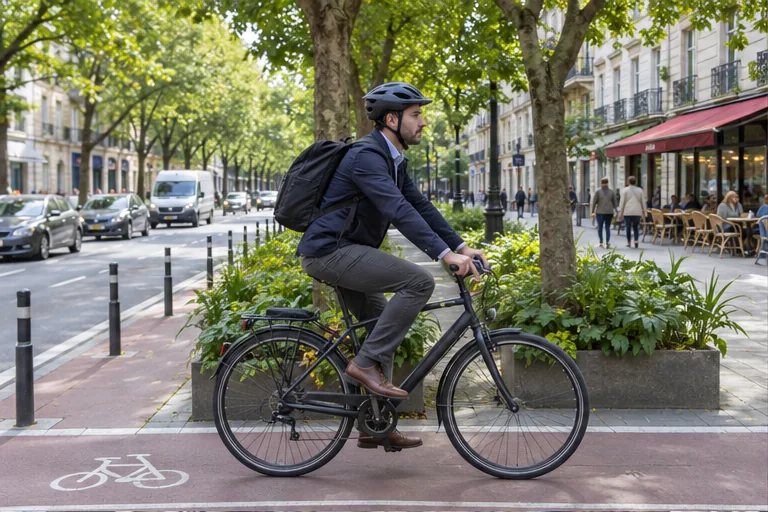
En modo individual, da tu opinión y luego responde a una posible postura contraria.
Lenguaje útil
Prueba una o dos expresiones que encajen con naturalidad.
Revisión
¿Cómo te ha ido?
Ejemplo · 1 · Entrevista
I like that most places are within walking distance. I can get to the market in ten minutes, and on the way I usually bump into someone I know.Ejemplo · 2 · Comparación de fotos
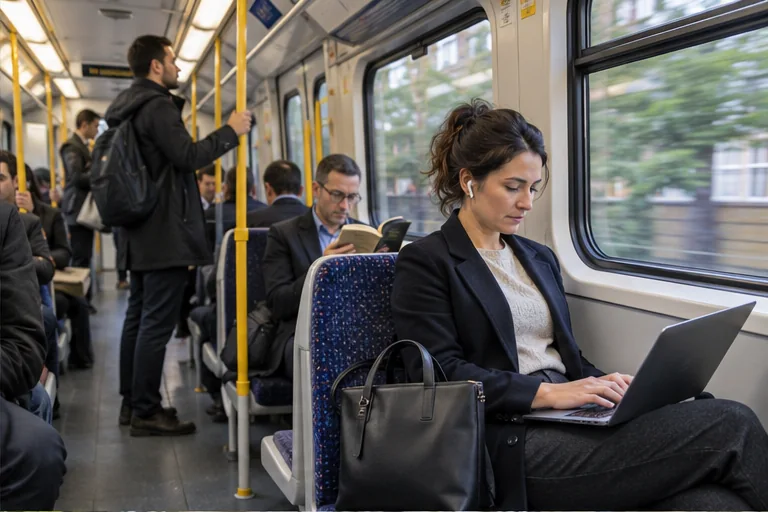
Both photos show people travelling to work, but the cyclist is outdoors, whereas the other person is on a train. The cyclist might enjoy getting some exercise before work. The person on the train can sit down or read, which might be more relaxing, especially if the journey is long.Ejemplo · 3 · Tarea colaborativa
A: A walking tour would help you understand what you’re looking at. What do you think about the map app?
B: For one afternoon, I’d choose the app. You can check how far away places are and change your plans if you’re running late.
A: True. The tour is more personal, but the app would help you see more in the time you have.
Ejemplo · 4 · Debate final
A: I think a little planning helps because you don’t want to spend half the day getting somewhere that’s closed.
B: I agree about checking opening times, but I’d leave some time to explore. The best part of my last trip was a market I found by accident.Enunciados para el examinador (imprimibles)
Lee los enunciados en orden. Deja el tiempo indicado y avanza manualmente. Los candidatos A y B se turnan.
- Part 1 · A · 0:30
What do you like about the area where you live?
- Part 1 · B · 0:30
How do you usually get around your town or city?
- Part 1 · A · 0:30
Tell us about a journey you enjoyed recently.
- Part 1 · B · 0:30
Would you rather visit a new place alone or with someone else? Why?
- Part 2 · A · 1:00
Compare the photographs and say what the people might like about travelling to work in these ways.
- Part 2 · B · 0:30
Which of these ways of travelling to work would suit you better, and why?
- Part 2 · B · 1:00
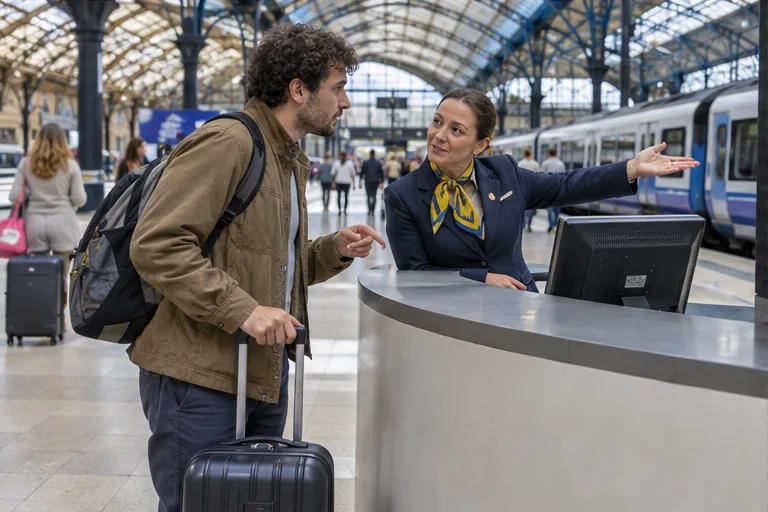
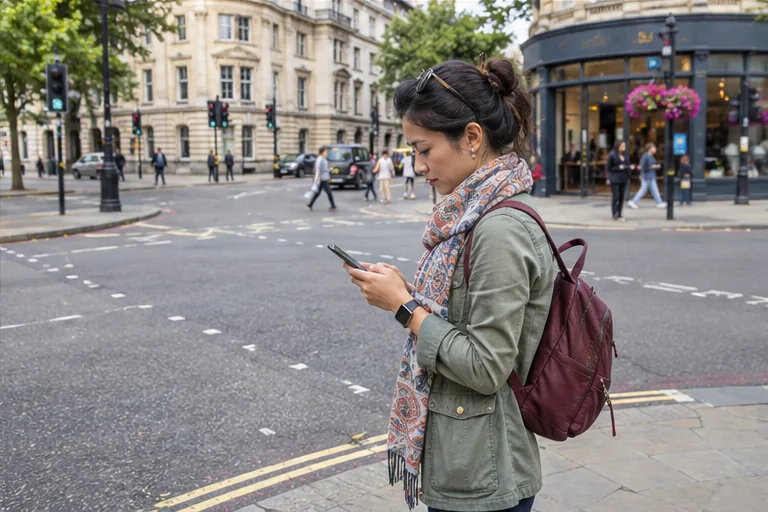
Compare the photographs and say what might be difficult about finding your way in these situations.
- Part 2 · A · 0:30
When would you rather ask someone for directions than use your phone?
- Part 3 · AB · 2:00
How might these ideas help people explore an unfamiliar city?
- A guided walking tour
- A city map app
- A bus day pass
- Advice from local people
- Signs at key junctions
- Part 3 · AB · 1:00
Decide which idea would be most useful to a first-time visitor who has only one afternoon in the city.
- Part 4 · AB · 4:00
What makes a city welcoming to first-time visitors?
How has technology changed the way people explore new places?
Do people learn more about a city by following a plan or by exploring without one? Why?
What can cities do to make tourism work well for local people as well as visitors?